The FIFA World Cup stands as the undisputed pinnacle of international football, a tournament that captures the imagination of billions across the globe. Held every four years s...
The Football Enthusiast's Guide to FIFA World Cup Football
**
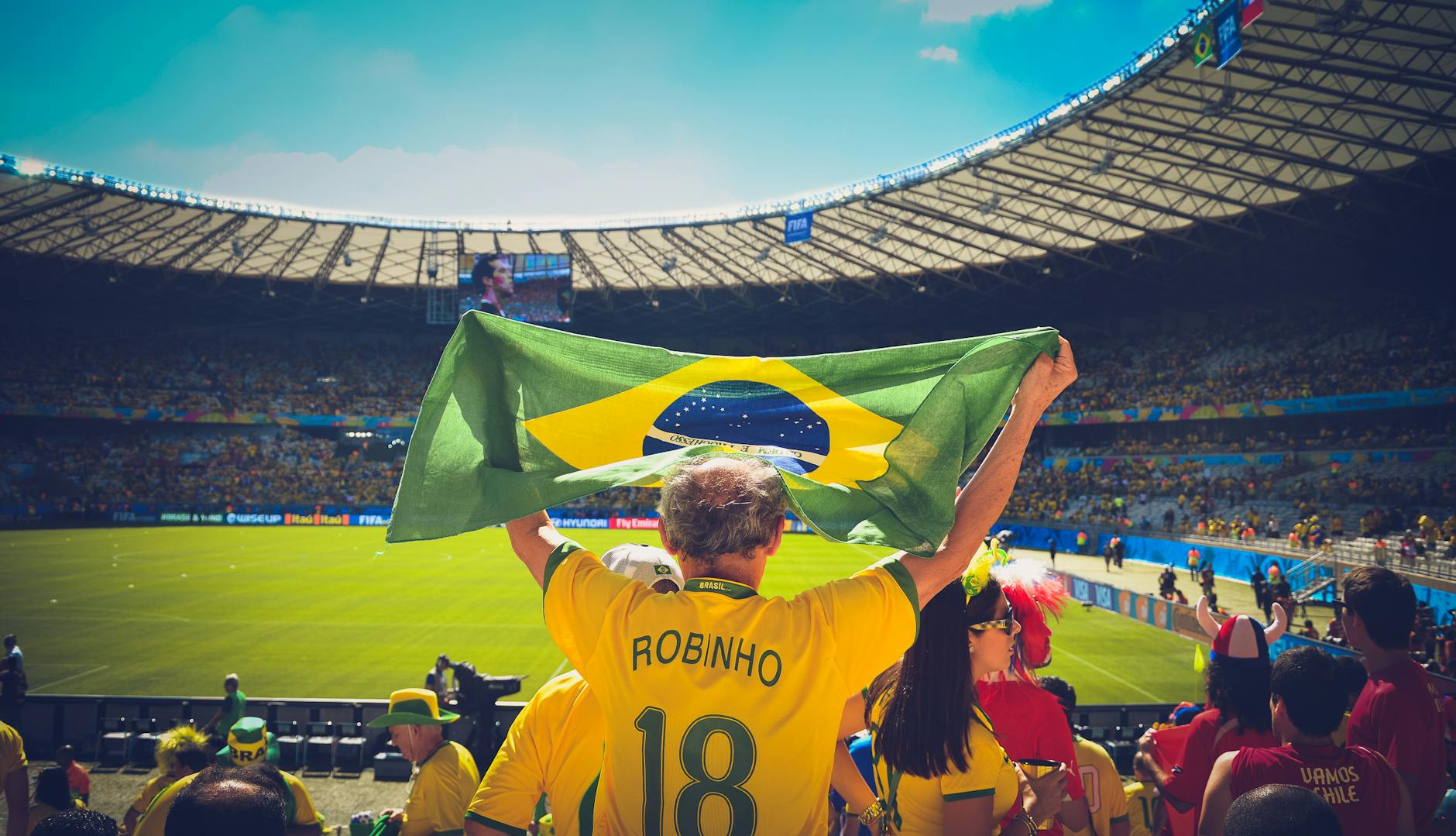
Photo by Caio on Pexels
**
The FIFA World Cup stands as the undisputed pinnacle of international football, a tournament that captures the imagination of billions across the globe. Held every four years since its inaugural edition in 1930, the competition has grown from a modest 13-team affair in Uruguay to a spectacular 48-nation spectacle as of 2026. For football enthusiasts seeking to understand the tournament's rich tapestry, this guide walks you through everything from historical milestones to data-driven analysis that can inform your predictions and deepen your appreciation of the beautiful game.
[Internal Link: Complete World Cup history timeline]
Step 1: Understanding the Origins and Evolution of FIFA World Cup Football
Why does a tournament that started nearly a century ago still dominate global sporting conversation? The answer lies in its unique position as the only competition where national pride intersects with pure athletic excellence on such a grand scale. Jules Rimet, the visionary French football administrator who championed the tournament's creation, could scarcely have imagined that his brainchild would become the most-watched sporting event on Earth, with over 3.5 billion viewers tuning in during the 2022 Qatar edition alone.
The tournament's format has undergone significant transformations throughout its history. From 1930 through 1938, the competition operated with knockout rounds and group stages in varying configurations. The 1950 tournament introduced the revolutionary group stage format that would become standard, while the 1998 France World Cup expanded to 32 teams—a structure that held steady until the 2026 expansion to 48 teams. This expansion carries profound implications: nations like China, whose population exceeds 1.4 billion, now have genuinely realistic pathways to qualification, fundamentally altering the tournament's geographic representation and commercial reach.
Brazil's dominance cannot be overstated in any serious examination of World Cup history. The Selecao have claimed the trophy five times—in 1958, 1962, 1970, 1994, and 2002—giving them a record that remains the benchmark against which all other nations measure themselves. Germany follows with four titles (1954, 1974, 1990, and 2014), while Italy has claimed four championships across 1934, 1938, 1982, and 2006. Understanding these historical powerhouses provides essential context for anyone analyzing tournament dynamics.
**

Photo by Taryn Elliott on Pexels
**
Step 2: How Does the Current FIFA World Cup Tournament Format Work?
The current tournament structure represents a carefully calibrated balance between inclusivity and competitive intensity. qualification begins nearly three years before the final tournament, with FIFA's six confederations—UEFA (Europe), CONMEBOL (South America), AFC (Asia), CAF (Africa), CONCACAF (North/Central America and Caribbean), and OFC (Oceania)—conducting their own qualifying campaigns. The 2026 World Cup, hosted jointly by the United States, Canada, and Mexico, will feature 48 teams, up from 32 in the 2022 edition.
Once teams arrive at the host nation(s), the tournament unfolds across eight distinct groups of six teams each. Each team plays three group matches, earning three points for a win, one for a draw, and zero for a loss. The top two teams from each group advance to the knockout round of 32, followed by rounds of 16, quarterfinals, semifinals, and ultimately the grand final to determine the champion. Tied teams in group standings are separated by goal difference, then total goals scored, then head-to-head results, ensuring decisive outcomes even in tightly contested groups.
The knockout stage introduces additional drama through penalty shootouts. If scores remain level after 90 minutes of regulation and 15 minutes of extra time (divided into two 15-minute halves), teams alternate taking spot kicks from 11 meters until one side achieves an insurmountable lead. The psychological dimension of penalty shootouts—where defenders often face elite goalkeepers with season-defining moments at stake—adds a unique tactical layer that separates World Cup football from club competitions.
[Internal Link: Understanding tournament bracket strategies]
Step 3: What Factors Should You Analyze When Evaluating Team Performance?
Successful analysis of World Cup contenders requires moving beyond simplistic reputation and examining concrete performance indicators. Team form entering the tournament—typically measured through results from the preceding 12-18 months of international matches—provides the most reliable short-term predictor of competitive readiness. Argentina entered the 2022 World Cup on a 36-match unbeaten streak, a psychological advantage that proved decisive when they faced France in the historic final.
Individual brilliance, however, can override collective metrics. Lionel Messi's performance in Qatar exemplified how a single transcendent player can elevate an entire squad. The Argentine maestro contributed seven goals across seven matches, winning the tournament's Golden Ball award while leading his nation to their first World Cup victory since 1986. Conversely, Portugal's golden generation—with Cristiano Ronaldo among their ranks—failed to advance beyond the quarterfinals in 2022, demonstrating that star power alone cannot guarantee success.
Tactical coherence under the tournament's unique pressures demands particular attention. The compressed match schedule, with teams often playing three games in nine days, places enormous strain on squad depth. France's run to the 2022 final, achieved despite significant injuries to key players, highlighted how manager Didier Deschamps maximized his available resources through strategic rotation and defensive organization. Weather conditions, particularly when tournaments occur in extreme climates like Qatar's summer heat, also influence performance, favoring teams with experience in similar conditions or superior fitness infrastructure.
**
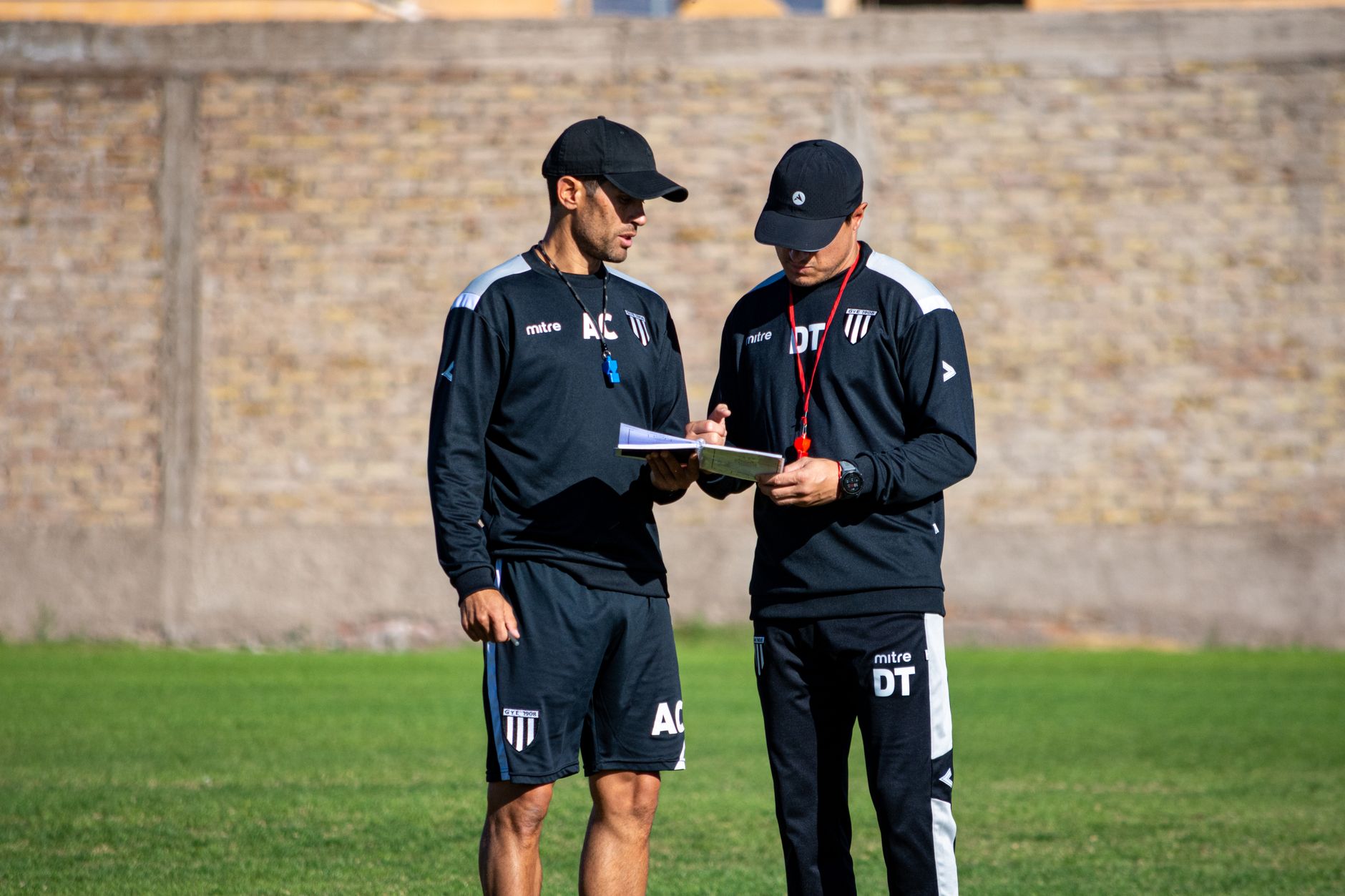
Photo by Franco Monsalvo on Pexels
**
Step 4: How Can You Make More Informed World Cup Predictions?
The intersection of analytical rigor and football's inherent unpredictability defines the art of tournament prediction. Sportsbooks and professional analysts employ sophisticated models incorporating Elo ratings, historical performance data, and player valuation metrics to establish baseline probabilities for each team's advancement. The Match Room, as an independent football information hub, provides comprehensive coverage of betting odds and their underlying probabilities, helping enthusiasts understand how markets price World Cup outcomes.
Consider the 2026 World Cup landscape: hosts United States enter with genuine optimism, having invested heavily in domestic football development over the past decade. The emergence of young talents like Christian Pulisic and Weston McKennie has transformed American expectations, yet qualification from a demanding group still represents a meaningful challenge against traditional European and South American powers. Brazil, perennial favorites, will rely on a new generation of forwards following the retirement generation that defined their 2002 and 2018 squads.
Key variables to monitor include squad announcement timing (typically 30-23 players finalized one month before the tournament), player fitness at club level during the preceding season, and managerial selection decisions that might favor experience over youth. Injuries to key players during pre-tournament friendlies can dramatically shift group dynamics—a lesson reinforced when Belgium's Golden Generation faltered in 2022 despite exceptional individual talent. Tracking training ground reports and understanding each nation's tactical philosophy provides predictive edges that generic power rankings cannot capture.
[Internal Link: Advanced match prediction methodologies]
Step 5: How Do You Verify Information and Sources in World Cup Coverage?
In an era of viral misinformation and sensationalized sports media, establishing verification habits protects enthusiasts from misleading narratives. Primary sources—including FIFA's official communications, confederation announcements, and national federation statements—should anchor your information diet. The FIFA World Cup official website maintains comprehensive archives of tournament statistics, qualification results, and regulatory information that serve as authoritative references.
Cross-referencing claims against multiple reputable outlets distinguishes credible analysis from speculation. Established sports journalism organizations like The Athletic, ESPN's football coverage, and BBC Sport employ dedicated correspondents who verify information through established networks within national teams. Wikipedia, while useful for historical overview, requires verification against primary sources given its collaborative editing model.
The Match Room emphasizes data-driven analysis backed by verifiable sources, distinguishing our coverage from opinion-driven content that prioritizes engagement over accuracy. Understanding the distinction between confirmed squad announcements (typically finalized 48 hours before first match) and preliminary speculation helps enthusiasts navigate the information landscape responsibly. When encountering extraordinary claims—record-breaking statistics, unprecedented achievements—always trace the assertion to its original source before accepting it as fact.
**

Photo by Tara Winstead on Pexels
**
Troubleshooting Common Failures in World Cup Analysis
Why do so many confident predictions crumble when the tournament begins? The most common analytical failure involves overvaluing recent results while neglecting long-term patterns. Tournament football differs fundamentally from league competition: knockout formats reward peak performance during a compressed window rather than sustained excellence across a season. Teams peaking at the right moment—often through tactical preparation, psychological preparation, or favorable draws—frequently outperform projections based on broader historical performance.
Survivorship bias distorts many casual analyses. Remembering vivid moments from previous tournaments—Italy's 1982 triumph despite struggling through group stage, Greece's 2004 European Championship victory, or Leicester City's 2016 Premier League miracle—leads enthusiasts to overemphasize unlikely outcomes. While such stories make compelling narratives, they represent exceptions rather than patterns that predictive models can reliably exploit.
Emotional attachment to national teams compromises analytical objectivity. Passionate support, while enriching the viewing experience, can cloud judgment regarding realistic assessments of squad strength, tactical limitations, and competitive threats. Separating one's identity as a supporter from analytical prediction requires conscious effort but ultimately produces more satisfying engagement with the tournament's genuine drama. The 2022 final demonstrated this perfectly: neutral observers could appreciate France's remarkable comeback from 2-0 down as one of football's greatest spectacles, regardless of which nation they supported.
[Internal Link: Avoiding common betting pitfalls]
Frequently Asked Questions
Q: What is the FIFA World Cup and why is it important?
A: The FIFA World Cup is international football's premier tournament, contested by national teams every four years since 1930. It determines the world champion and attracts billions of viewers, making it the most significant sporting event globally. The 2026 edition will feature 48 teams for the first time.
Q: How many times has Brazil won the World Cup?
A: Brazil has won the World Cup five times—in 1958, 1962, 1970, 1994, and 2002—making them the most successful nation in tournament history. Germany follows with four titles, while Italy has also won four championships.
Q: When and where is the next World Cup?
A: The 2026 FIFA World Cup will be held in the United States, Canada, and Mexico, marking the first tournament hosted by three nations. It will expand to 48 teams and is scheduled to begin in June 2026.
Q: How does World Cup qualification work?
A: FIFA's six confederations conduct separate qualification tournaments, allocating specific spots based on each confederation's strength. Europe (UEFA) receives the most slots, while Oceania (OFC) typically receives one automatic spot, with qualifying through intercontinental playoffs determining remaining places.
Q: What is the difference between group stage and knockout matches?
A: Group stage matches award points for wins (3) and draws (1), with teams advancing based on total points. Knockout matches require a winner—ties go to extra time, then penalty shootouts if necessary. Eliminated teams receive no second chance in knockout rounds.
Q: Who won the most recent World Cup in 2022?
A: Argentina won the 2022 FIFA World Cup, defeating France 4-2 in a penalty shootout after a 3-3 draw in the final. Lionel Messi won the tournament's Golden Ball award as the best player, while Kylian Mbappé finished as top scorer with eight goals.
Q: What is a penalty shootout in World Cup football?
A: A penalty shootout occurs in knockout matches when scores remain tied after 90 minutes of regulation and 30 minutes of extra time. Teams alternate taking penalty kicks from 11 meters, with the goalkeeper attempting to save each shot. The team scoring more goals after an equal number of kicks wins.